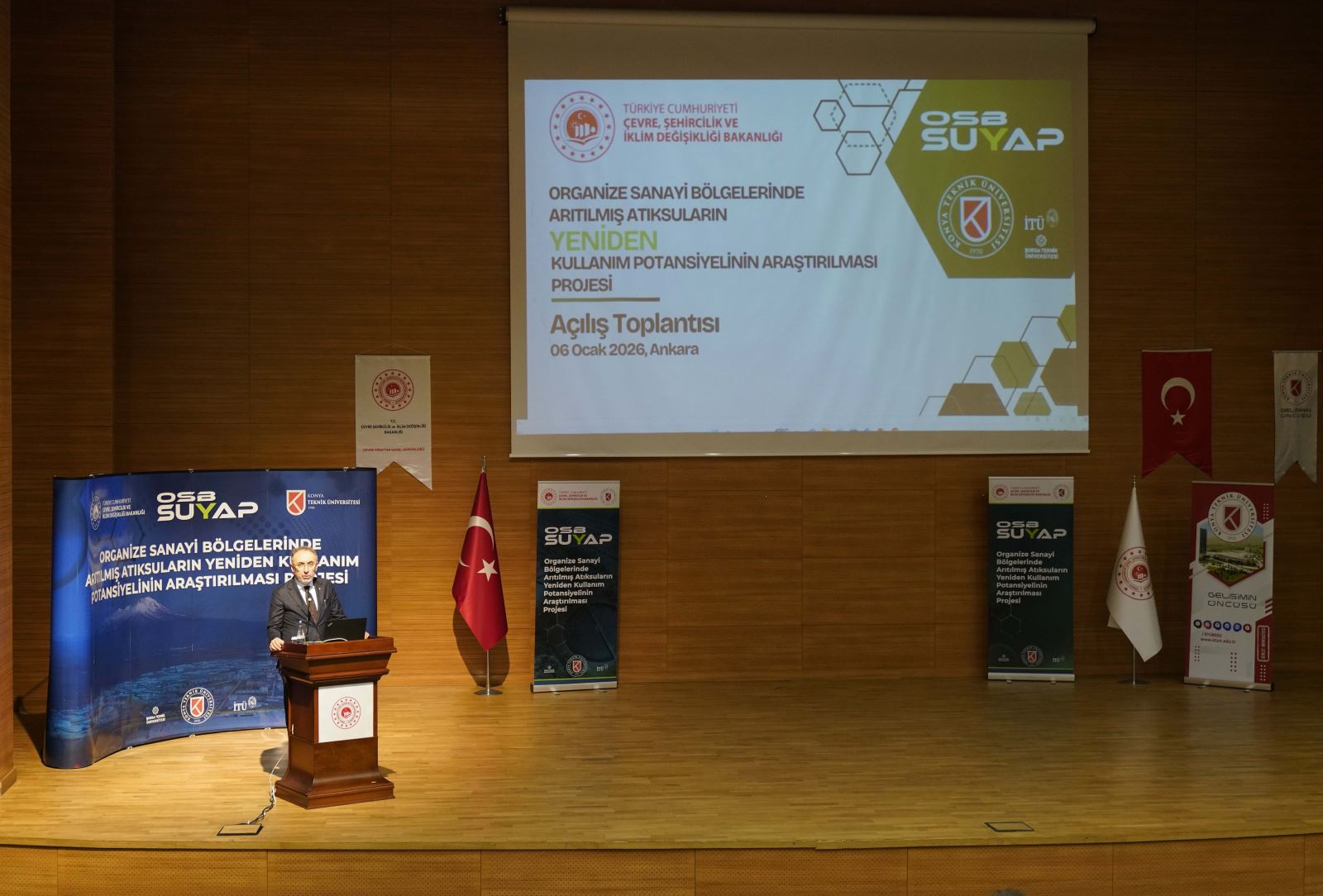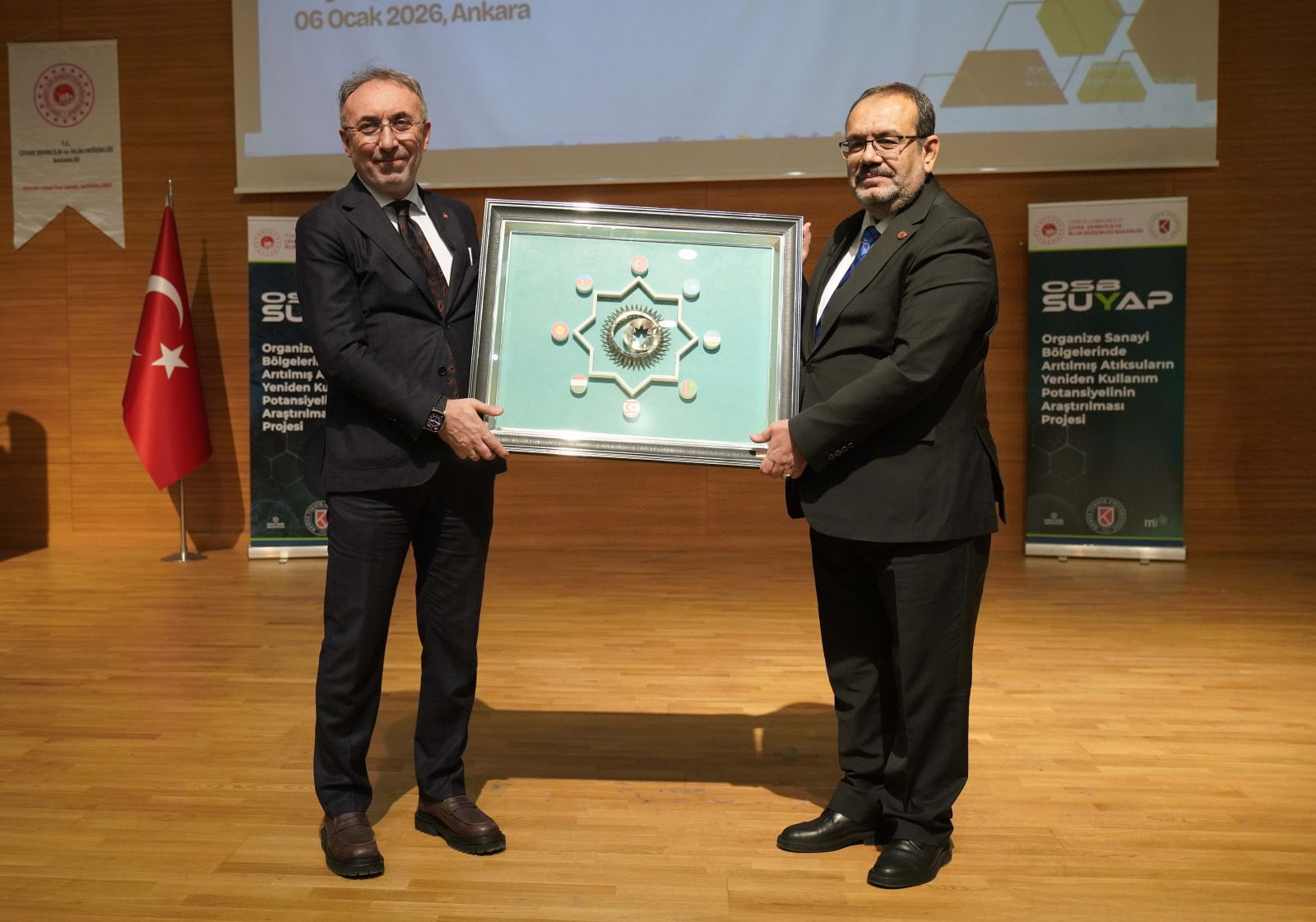

The OSB-SUYAP Project—implemented through the collaboration of the Ministry of Environment, Urbanization, and Climate Change and Konya Technical University—has been initiated with the aim of identifying the reuse potential of treated wastewater in Organized Industrial Zones (OSBs) throughout Turkey and creating a roadmap for sustainable water management and green transformation in industry.
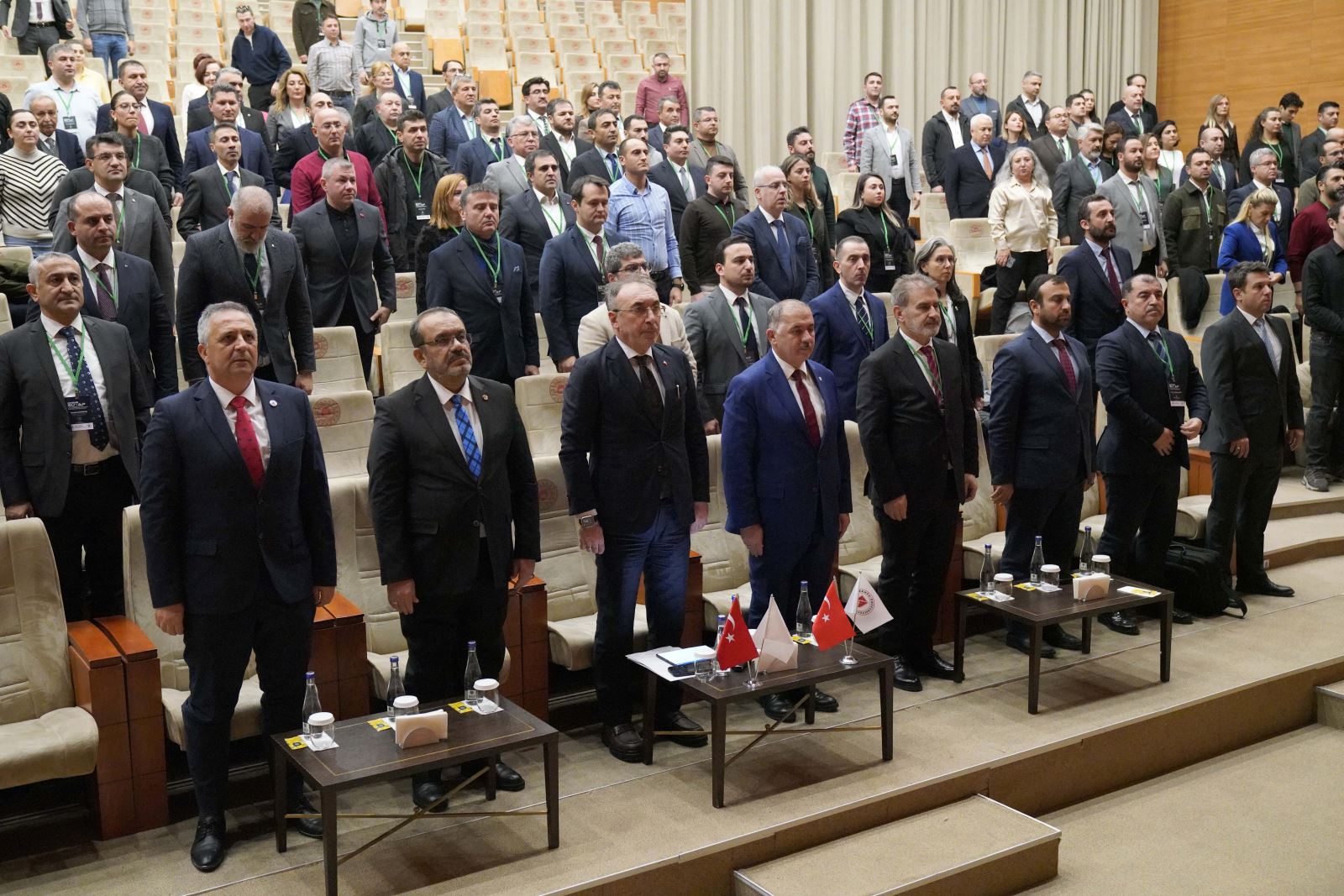
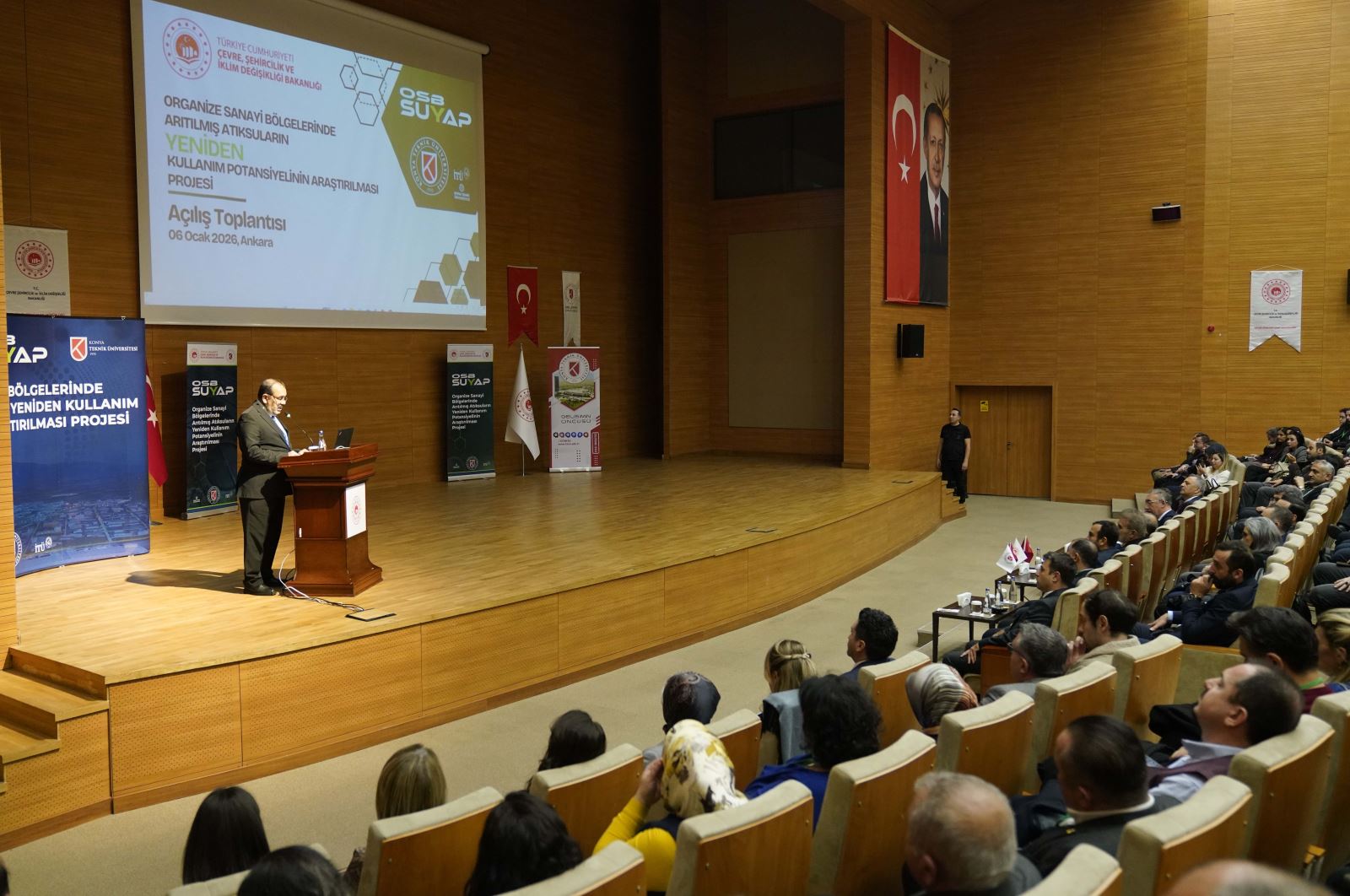
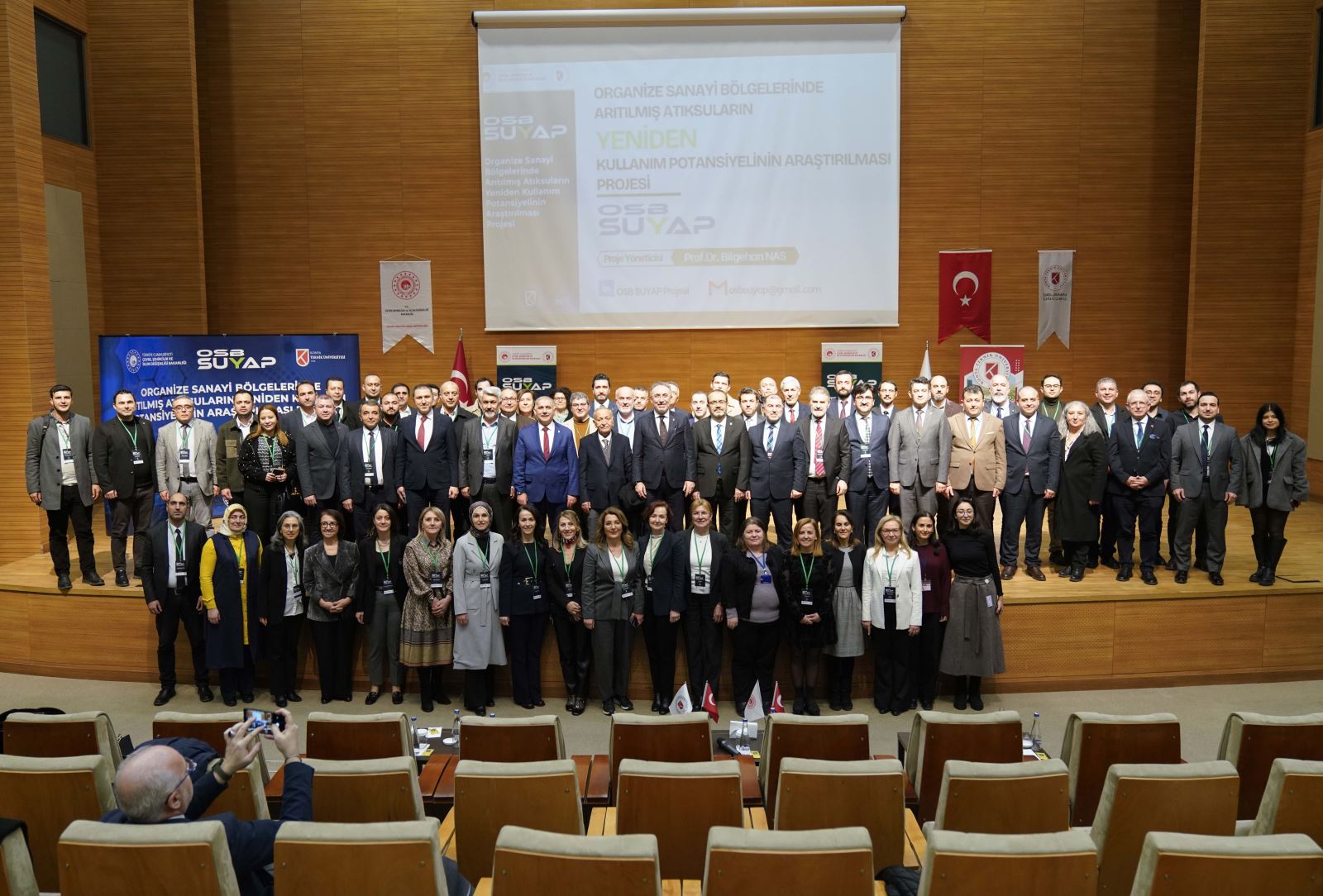
At the project’s launch meeting, held at the Ministry of Environment, Urbanization, and Climate Change, representatives from 144 OSBs in 54 provinces participated, including OSB managers, environmental unit officers, wastewater treatment plant managers, industry chamber representatives, public institutions, academics, ministry personnel, and the project team.
Project Goals and Structure
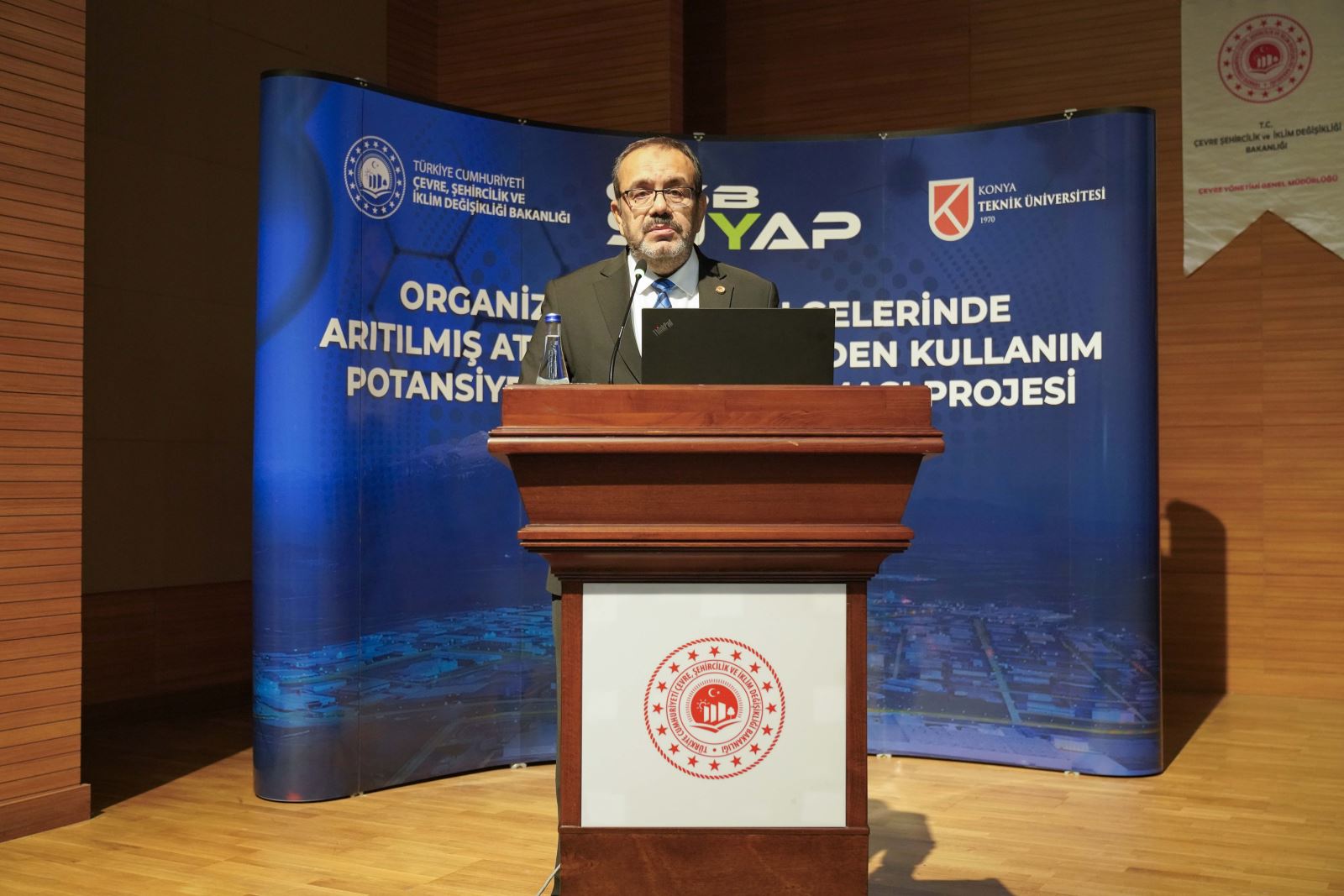
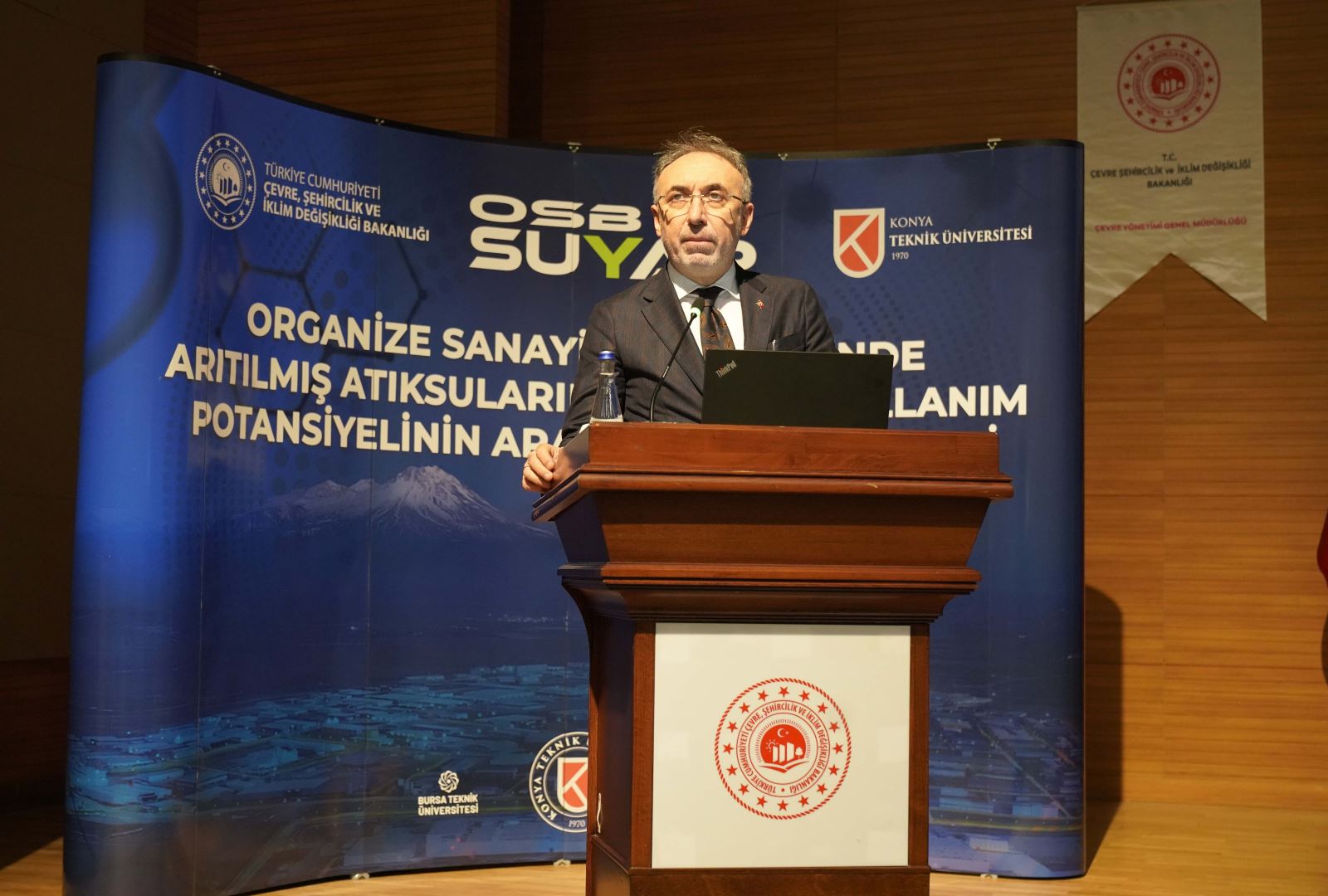
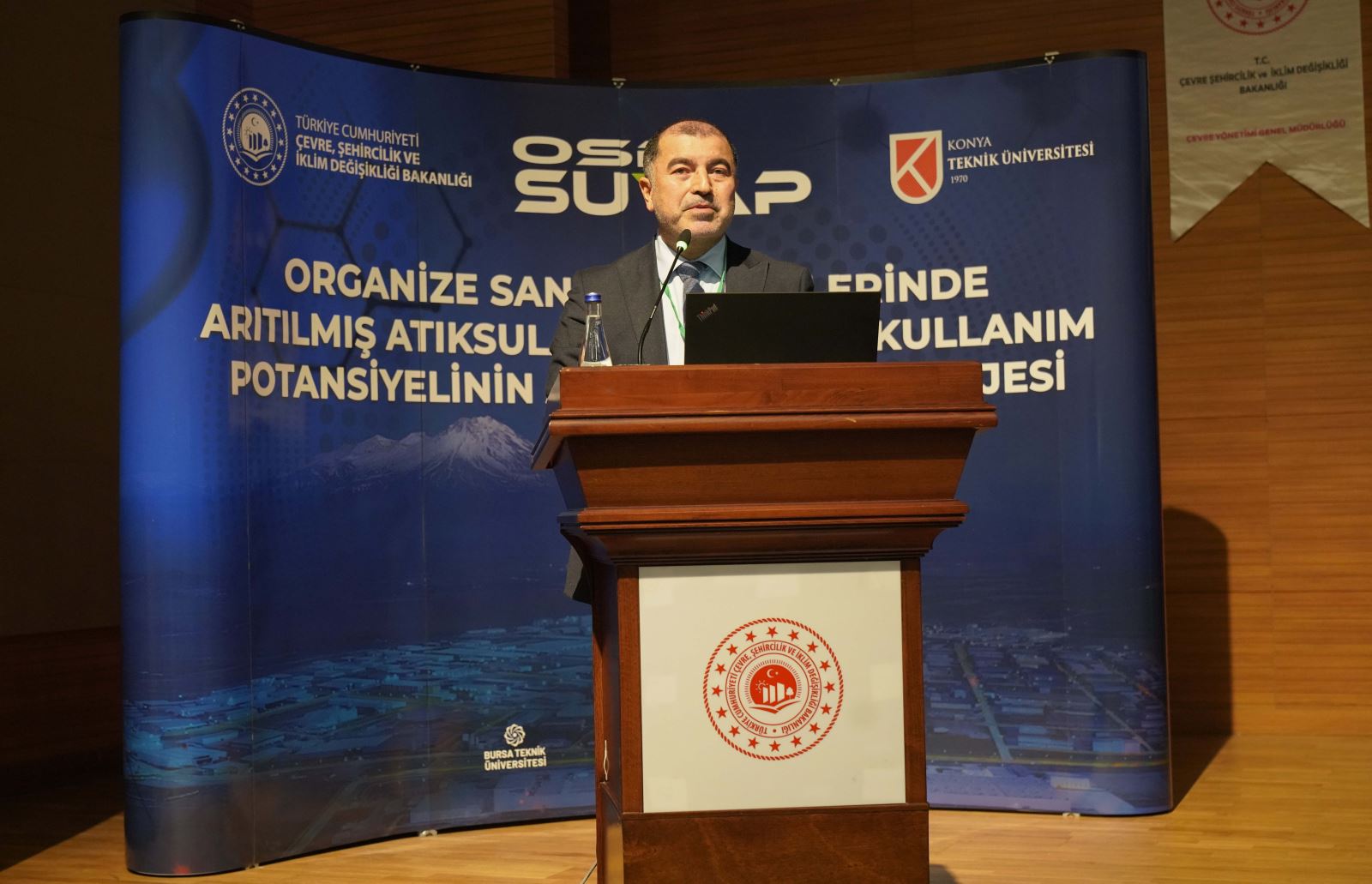
During the opening speeches, Rector Prof. Dr. Osman Nuri Çelik and General Director of Environmental Management Fatih Turan highlighted the project’s contribution to water security, industrial competitiveness, and environmental sustainability. Prof. Dr. Bilgehan Nas, Project Manager and faculty member in the Department of Environmental Engineering, provided a detailed overview of the OSB-SUYAP Project’s objectives, scope, methodological approach, and work packages.
The project officially titled “Investigation of the Reuse Potential of Treated Wastewater in Organized Industrial Zones (OSB-SUYAP Project)” was launched following a protocol signed between the Ministry’s General Directorate of Environmental Management and Konya Technical University.
National Targets and Circular Economy Focus
The General Director of Environmental Management noted that the reuse rate of treated wastewater in 2025 reached 6.94% and emphasized targets to increase this to 11% by 2028 and 15% by 2030, in accordance with circular economy principles. The OSB-SUYAP Project is expected to significantly contribute to the green transformation of industry and increasing the reuse of treated wastewater.
Wastewater as an Alternative Water Resource
Prof. Dr. Nas explained that in countries facing water scarcity, treated wastewaters are used as alternative water sources for purposes such as agricultural irrigation, landscape irrigation, street cleaning, fire fighting, ecosystem support, groundwater recharge, and especially industrial processes and cooling water reuse when advanced treatment processes are applied.
Field Work and Data Collection
Project participants were informed about expected field studies in pilot OSBs, the data collection process, the specially developed software for project use, and the project timeline. It was noted that field visits will be conducted with the project team and ministry staff at 130 OSBs with wastewater treatment plants, and the reuse potential of treated wastewater for all 371 OSBs in Turkey will be determined.
Comprehensive Analysis and Future Action Plans
Wastewater analyses will be conducted in OSB treatment and recovery facilities, and opportunities for industrial symbiosis within OSBs will be evaluated. By the end of the project, a comprehensive action plan will be prepared that outlines the current status of wastewater reuse, the legal framework, investment requirements, and bottlenecks. Additionally, feasibility reports focused on wastewater recovery will be prepared for five selected OSBs after site visits.
Strategic Importance
Prof. Dr. Nas emphasized the growing pressure from global climate change on water resources, noting that drought risk and water access are strategic issues not only globally but also for Turkey. He underlined the importance of viewing water not just as a consumed resource but as a sustainable value to be reused through correct management.