

At our university, significant progress has been achieved through ongoing work within the scope of the project titled “Three-Dimensional Printable Limestone Calcined Clay Cement (LC³) Concretes Developed with 100% Construction/Demolition Waste (CDW) Aggregate Content and Binders from Waste/Low-Quality Clay Sources”, led by Associate Professor Dr. Oğuzhan Öztürk from the Department of Civil Engineering and supported under the TÜBİTAK 1001 Program.
3D ROBOTIC CONCRETE MANUFACTURING INFRASTRUCTURE NOW AVAILABLE
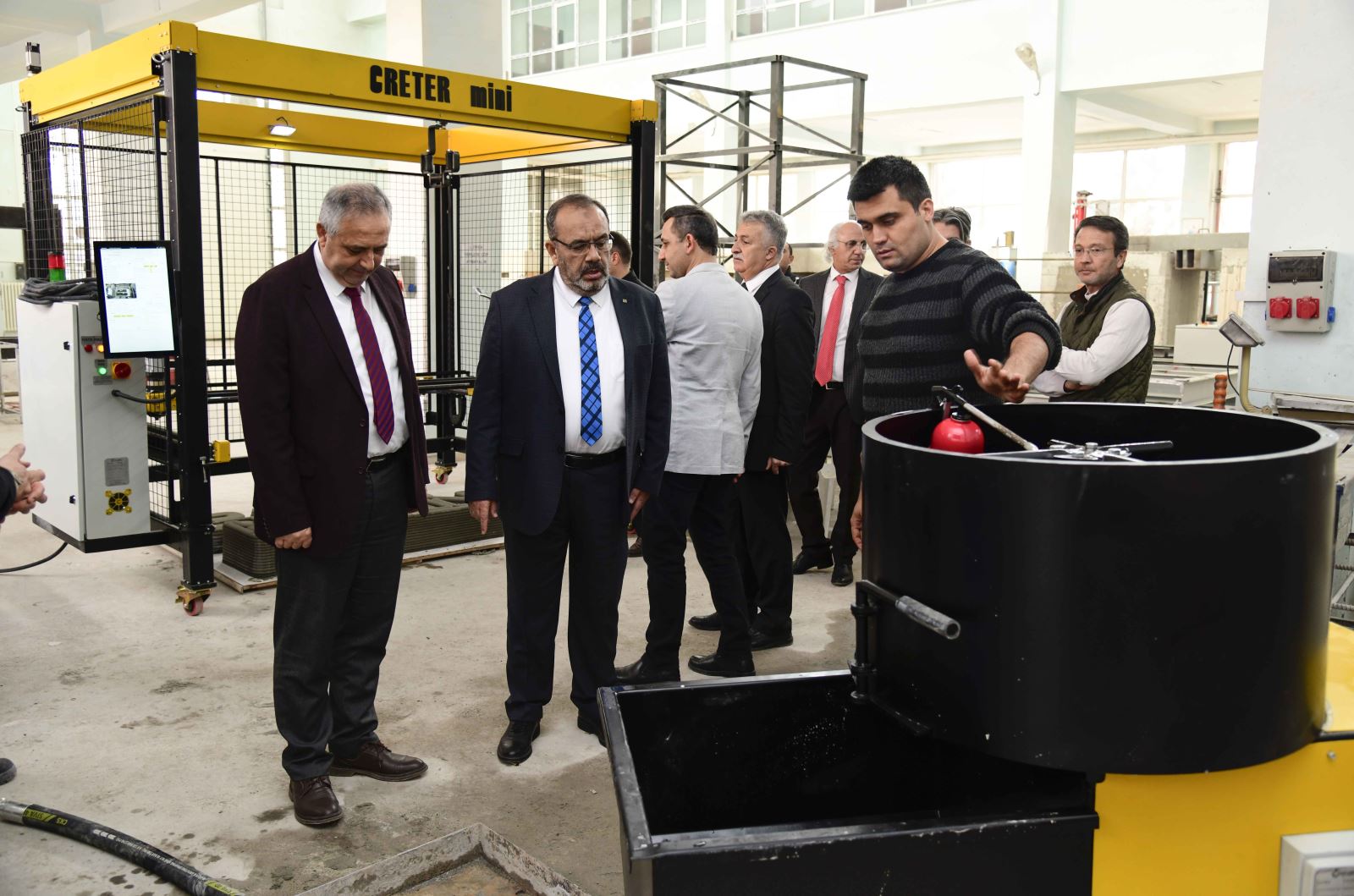
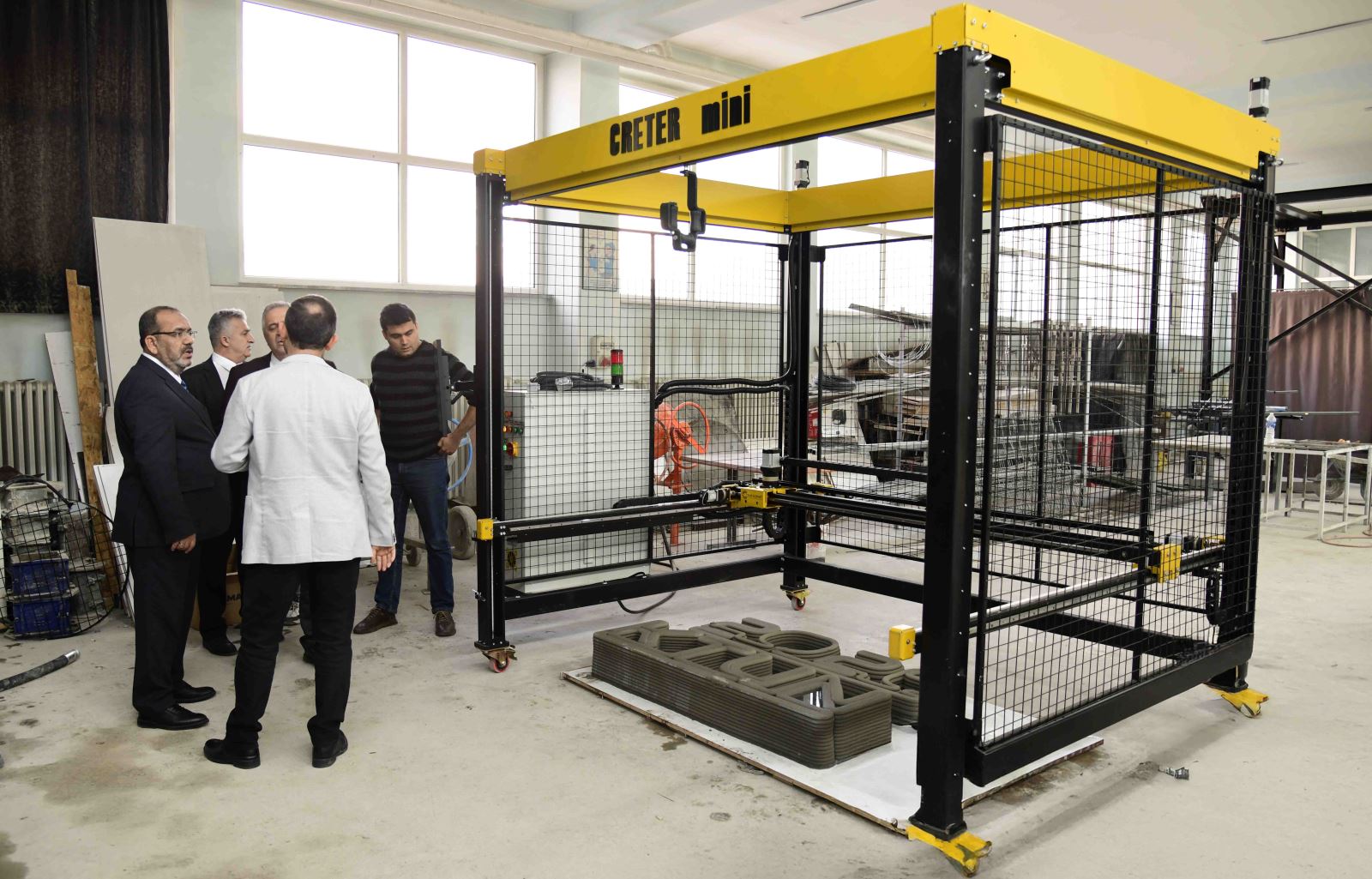
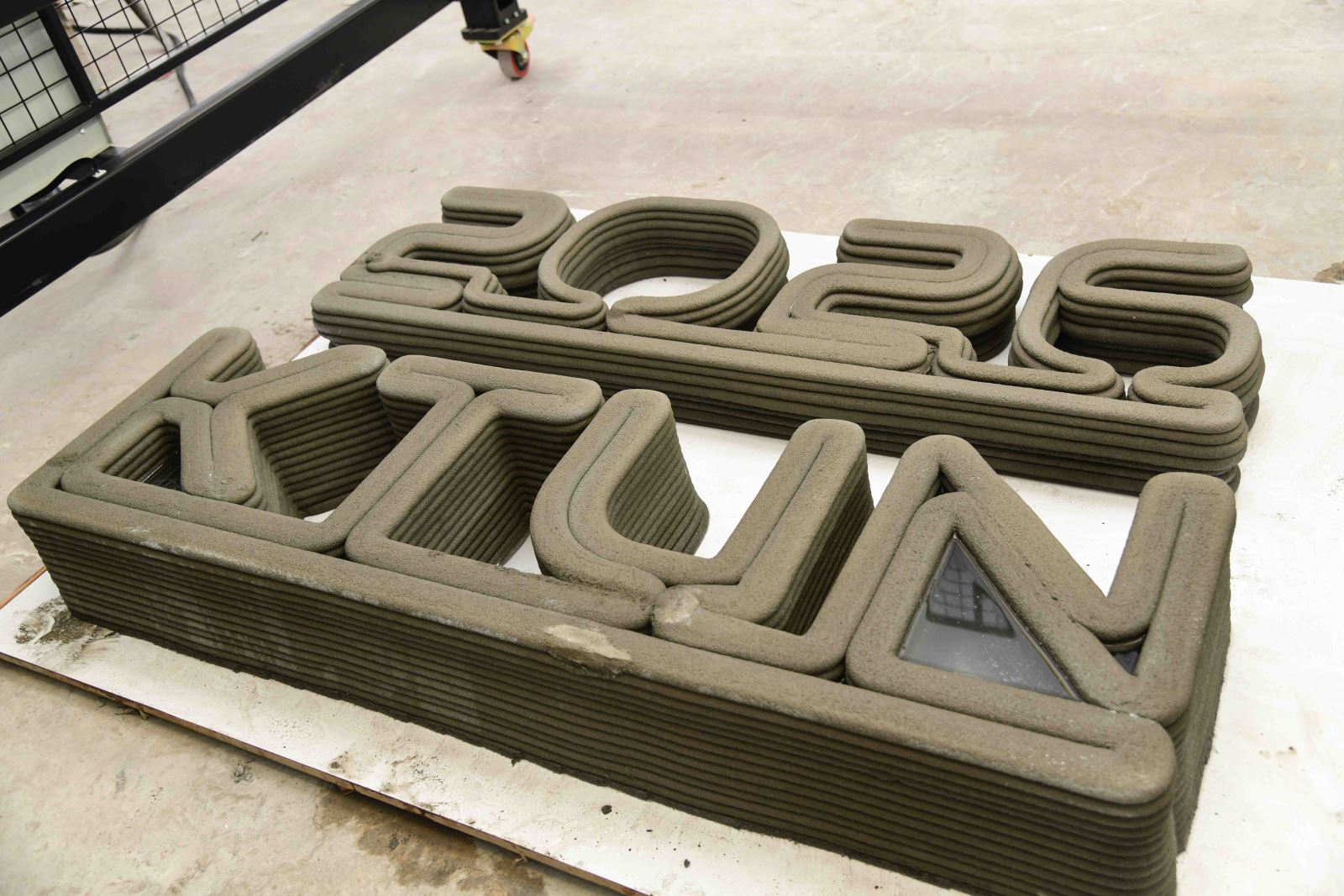
To address the problem of increasing excavation and demolition waste resulting from urban transformation and construction activities in Konya, a three-dimensional robotic concrete manufacturing system has been established within the university. Thanks to this newly established infrastructure, instead of simply disposing of construction and demolition waste generated in Konya and the surrounding region in landfill areas, these materials can now be processed and converted into high-value concrete products.
This new infrastructure offers a robust technological foundation aimed at reducing the use of natural aggregates and cement, thereby decreasing greenhouse gas emissions and applying a circular economy approach at the city scale. The 3D concrete manufacturing technology stands out with advantages such as rapid production, controlled fabrication, reduced material waste, high efficiency, and fewer defects.
ENVIRONMENTAL IMPACT ASSESSMENT THROUGH LIFE CYCLE ANALYSIS
The mechanical strength properties, 3D printing performance, and dimensional stability of the developed concretes will be tested through comprehensive experiments during the project. Furthermore, at the end of the project, example structural elements will be produced so that scientific life cycle assessment (LCA) can be conducted and the environmental impacts of the materials can be determined based on empirical data.
This infrastructure, which provides an open research ground for university-industry collaboration, is expected to make a scientific contribution to the development of environmentally friendly building materials, the production of innovative solutions in urban transformation processes, and Turkey’s low-carbon production goals.
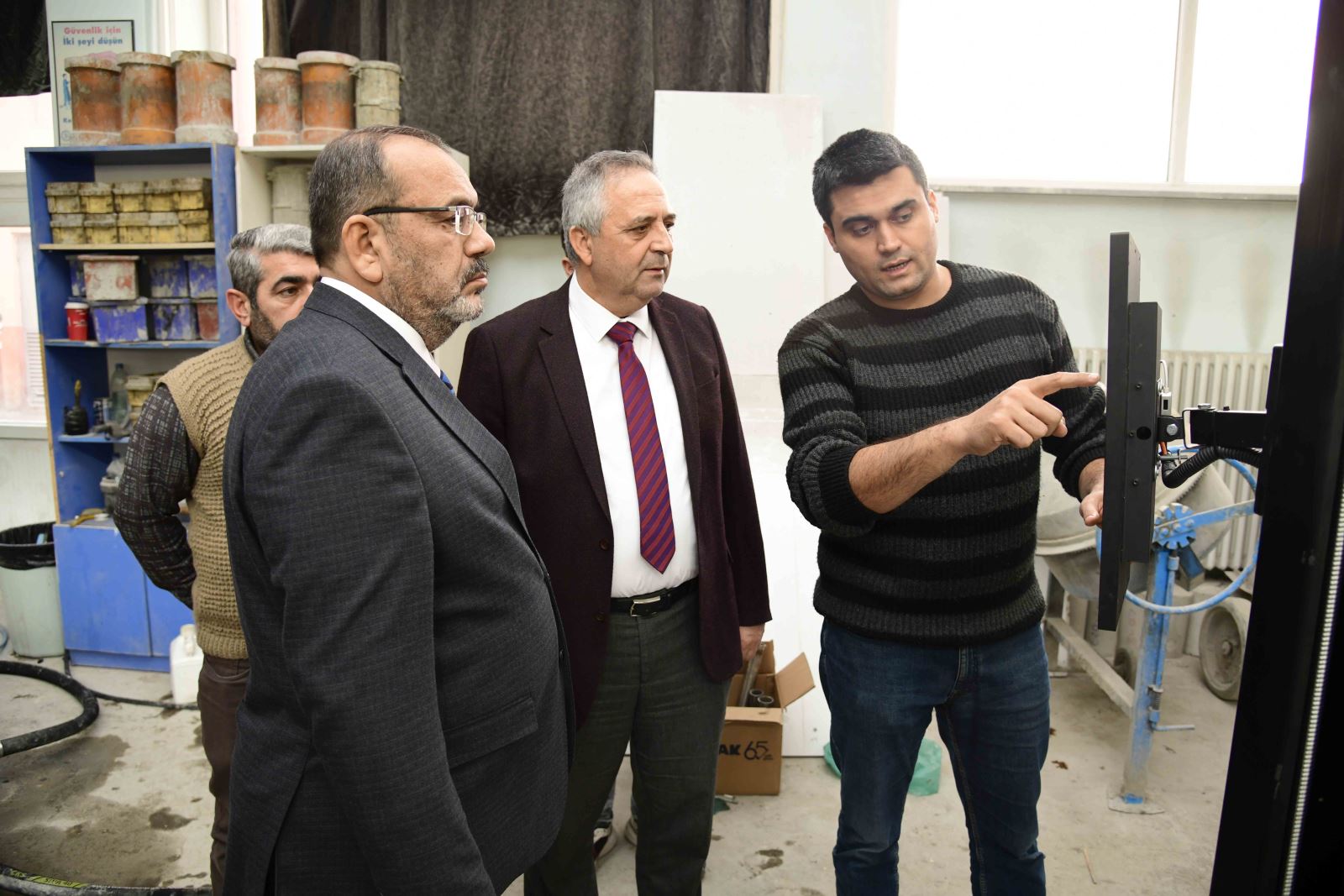
Our Rector, Prof. Dr. Osman Nuri Çelik, visited the laboratory to closely follow the work and received information about the activities from Associate Professor Dr. Oğuzhan Öztürk. Emphasizing that sustainability and innovative production technologies are an important part of universities’ scientific and societal responsibilities, the Rector stated that such projects carry great value both environmentally and academically.
(1).jpg)